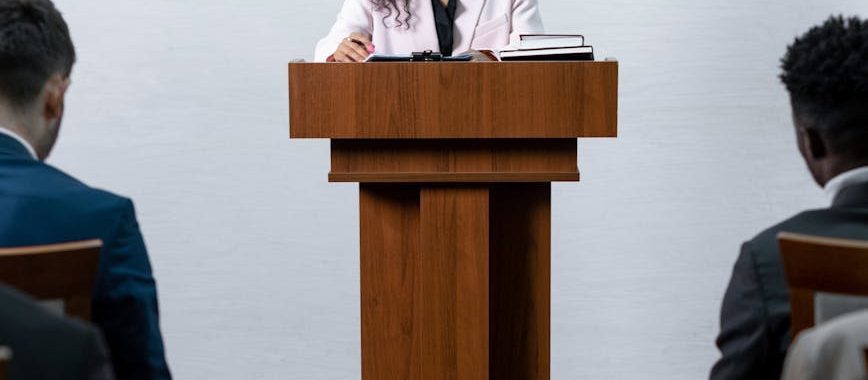
Municipal elections are upon us, and with them comes another opportunity to exercise our democratic right to vote. Elections remind us that we live in a society governed by the people. This is not something we can afford to take for granted. Having the power to choose leaders who will represent our communities—and holding them accountable for their decisions—is both a privilege and a responsibility.
Of the three levels of government in Canada, the municipal level is the closest to our daily lives. Municipalities are responsible for many essential services: clean drinking water, garbage collection, public transit, libraries, recreation facilities, and fire response. They maintain the roads we drive on, the parks where our kids play, and the arenas where our communities gather. These are the services that shape the texture of daily life.
Municipal leaders are also the most accessible politicians we have. They live in the same neighbourhoods, shop at the same grocery stores, and send their children to the same schools. They know our communities intimately. Perhaps that is why national polling consistently shows that Canadians trust their municipal governments more than provincial or federal governments to improve quality of life in their communities.
But here is a peculiarity of Canadian politics: incumbents almost always win. Across the country, candidates seeking re-election at the municipal level are successful 80 to 90 percent of the time. Sometimes this reflects genuine satisfaction with past performance, but often it’s a product of name recognition or the assumption that if someone already holds office, they must be doing something right. In smaller towns, incumbents sometimes don’t face any challengers at all and are simply acclaimed to another term.
This pattern is troubling. A healthy democracy depends on competition of ideas, not automatic re-endorsement of the familiar. When incumbents are returned to office by default, we risk stifling new perspectives and fresh solutions.
That’s why it is so important for voters to put in the effort to get to know all the candidates. A strong field of contenders signals civic vitality, but a level playing field depends on voters looking beyond name recognition. Most municipalities now provide candidate lists online with biographies or links to campaign websites. Many candidates post their platforms online or distribute them in print. Debates and community forums provide a chance to compare visions directly.
“Be cautious of candidates who promise quick fixes that push problems into the future, or who offer easy answers without addressing root causes.”
As voters, we should use these tools. Don’t stop at skimming flyers. Read platforms carefully. Review incumbents’ voting records on issues that matter to you. Attend debates or watch recordings if you can’t be there in person. These events reveal how candidates think on their feet and whether they understand the issues in depth.
What should we be looking for? Leaders with the skills, background, and judgment to handle the complexities of municipal government. People who can think critically, listen well, and make decisions with long-term economic, environmental, and social sustainability in mind.
Equally important is knowing what to avoid. Be cautious of candidates who promise quick fixes that push problems into the future, or who offer easy answers without addressing root causes. Be wary of those who dodge tough questions, give vague promises, or pass the buck to other levels of government when municipal leadership is required. Data gathering and public consultations are key elements of solving complex problems, but watch out for candidates who use these strategies to avoid or delay addressing established problems.
Voters themselves have a role to play in raising the quality of local democracy. We can’t wait for candidates to tell us what matters—we can set the agenda by asking the right questions. What will they do to make housing more affordable? How will they prepare our communities for the impacts of climate change? What is their concrete plan for supporting progress, not just offering promises?
There are many ways to press for answers. Email candidates directly. Attend debates and ask pointed questions. Stop to engage when they knock on your door. Tell them what matters to you and make your voice impossible to ignore. When voters are engaged, candidates take notice, and our collective priorities shape the conversation.
Municipal elections may not get the same attention as provincial or federal campaigns, but their impact on our lives is profound. This is our chance to choose leaders who will shape the future of our neighbourhoods, our services, and our communities. It’s not enough to vote out of habit, or to simply reward incumbents for name recognition. We owe it to ourselves, and to our communities, to choose wisely.
This is your moment. Do more than cast a ballot—cast an informed one. Ask hard questions. Demand real answers. Hold candidates to account. Your voice, your vote, and your choices will determine the direction of your community for years to come. Democracy works best when we all take it seriously. Let’s not waste the chance to shape the future right where we live.
By Vamini Selvanandan© 2025. This work is licensed under a Creative Commons CC BY 4.0 license. Photo by Mikhail Nilov on Pexels.com
 The Engaged Citizen